
Fashion is more than just a way of dressing; it is a powerful form of expression that affects societal norms, cultural values, and even political landscapes. Over the decades, fashion movements have played a crucial role in shaping societies worldwide. From the flapper dresses of the 1920s to the minimalistic styles of today, each era brings with it a distinctive flair that reflects the attitudes and events of the time. Let's explore these fascinating transformations and their impacts on society.
The Roaring Twenties: Breaking Boundaries
The 1920s was a decade of liberation and change. Women started to break away from traditional roles, embracing fashions that celebrated freedom and independence. The flapper dress, with its straight-cut style and raised hemlines, symbolized this radical transformation. This fashion movement helped dismantle gender expectations and contributed to the ongoing fight for women's rights.
The 1960s: A Decade of Revolution
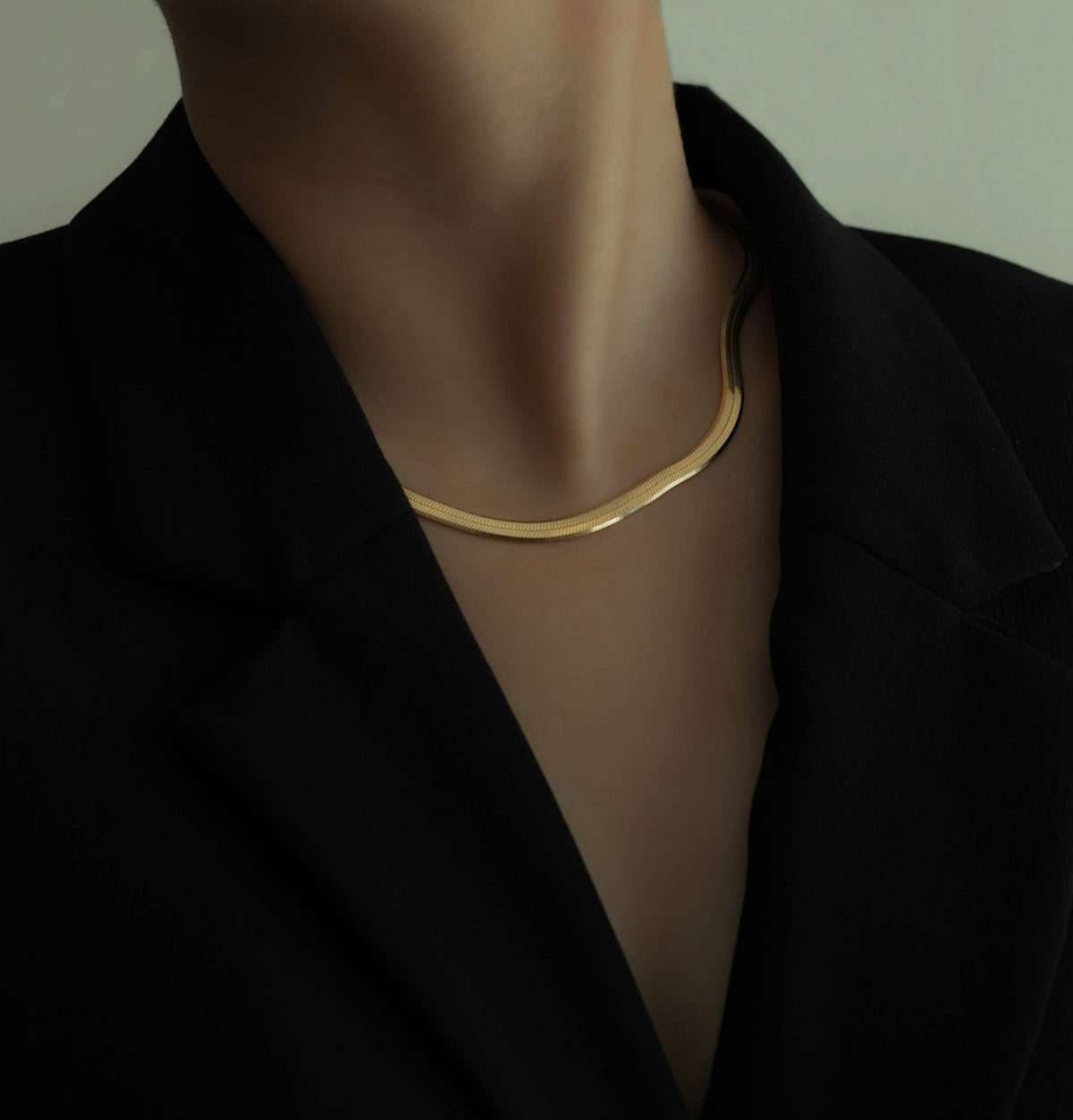
The 1960s was marked by significant cultural and political upheavals. The fashion of this era, characterized by bold colors and striking patterns, was a rebellion against many conservative norms. Accessories like the Stainless Steel Cross Necklace could have complemented the expressive attire of this decade, aligning with the period's emphasis on individualism and self-expression.
The 1980s: Power Dressing and Professionalism
The 1980s saw the rise of power dressing, largely influenced by women entering the corporate world in unprecedented numbers. Shoulder pads and structured suits became the norm, signifying confidence and authority. This decade's fashion reflected a society embracing more egalitarian workplace practices and highlighted the growing presence and influence of women in professional settings.
The Modern Era: Sustainability and Inclusivity
Today's fashion movements are heavily influenced by sustainability and inclusivity. Consumers are increasingly conscientious about the environmental and social impacts of their choices. Modern styles often blend comfort with aesthetics, such as the Cozy Korean-Style Plus Size Winter Coat, which caters to diverse body types and climatic conditions. This shift marks a more inclusive and environmentally aware fashion industry that appeals to a broader audience.
Cultural Impacts of Fashion Accessories
As fashion evolves, so too do the accessories that accompany it. Products like the Rotatable Triangle Pattern Stainless Steel Ring offer a modern twist on traditional designs, merging style with function. Similarly, the Men's Steel Band Square Quartz Watch embodies the elegance and practicality that contemporary consumers seek in their accessories.
Conclusion
Fashion is a mirror reflecting the times. It is an ever-evolving tapestry that captures society's values, struggles, and triumphs. From liberation and revolution to professionalism and inclusivity, fashion movements have continually impacted societal norms across decades. As we move forward, fashion will undoubtedly continue to be a pivotal form of expression, influencing and being influenced by the world around us.
Explore these fashion trends and more at ItemBear.



Leave a comment
This site is protected by hCaptcha and the hCaptcha Privacy Policy and Terms of Service apply.